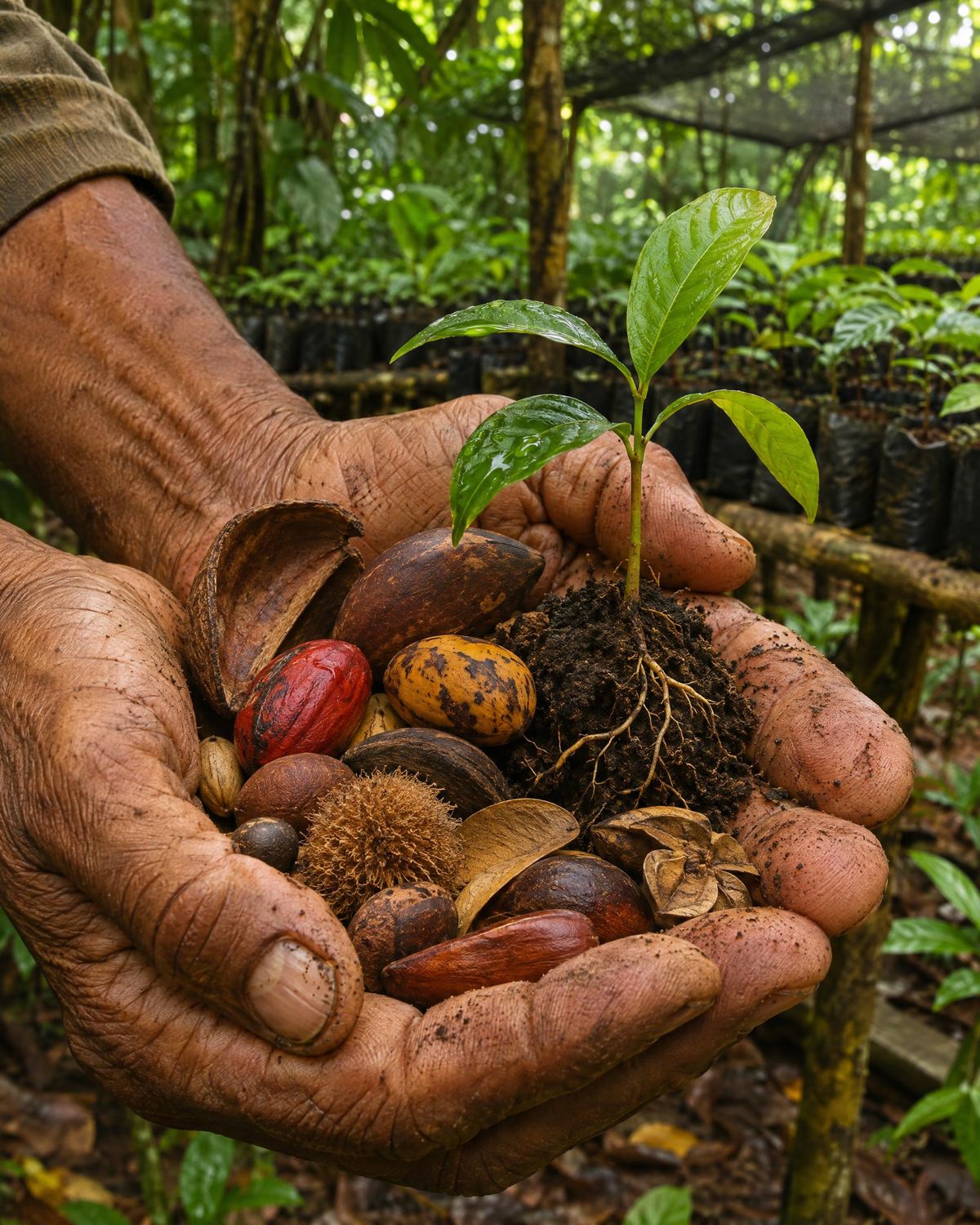
So that cleared forest stands again, planted by the people who have always cared for it.
Up againstDeforestation and fire that wipe out years of planting in a few days.
In the Upper Juruá, in Acre, Instituto Yorenka Tasorentsi brings together the knowledge of the Ashaninka people and regenerative agriculture. It plants trees, raises fish to feed the region and returns river turtles to the rivers.
The institute is led by Benki Piyãko, an Ashaninka political and spiritual leader. In 2026 he received the Niwano Peace Prize, in Japan, for defending his people's land and culture.
In ten years, more than 2 million trees were planted. But in 2023 a 12-day fire burned 100 hectares of the forest the institute had planted. Planting again is not optional: it is urgent.
Donations to the Seed mural go to land recovery research led by Benki, to restoration and preservation, and to the Center for Regenerative Education.
A river turtle in the palm of a hand
A young Ashaninka man, his face painted red, holds up a baby river turtle the size of his palm. It was the day three communities gave the institute 300 turtles to raise and release. More than 15,000 have already returned to the rivers.
- 2 M+trees planted in 10 years
- 15,000+river turtles returned to the rivers
- 1,500 haof degraded land acquired for reforestation
- 2026Benki receives the 43rd Niwano Peace Prize
- 10 Mtrees: the goal for the next 10 years
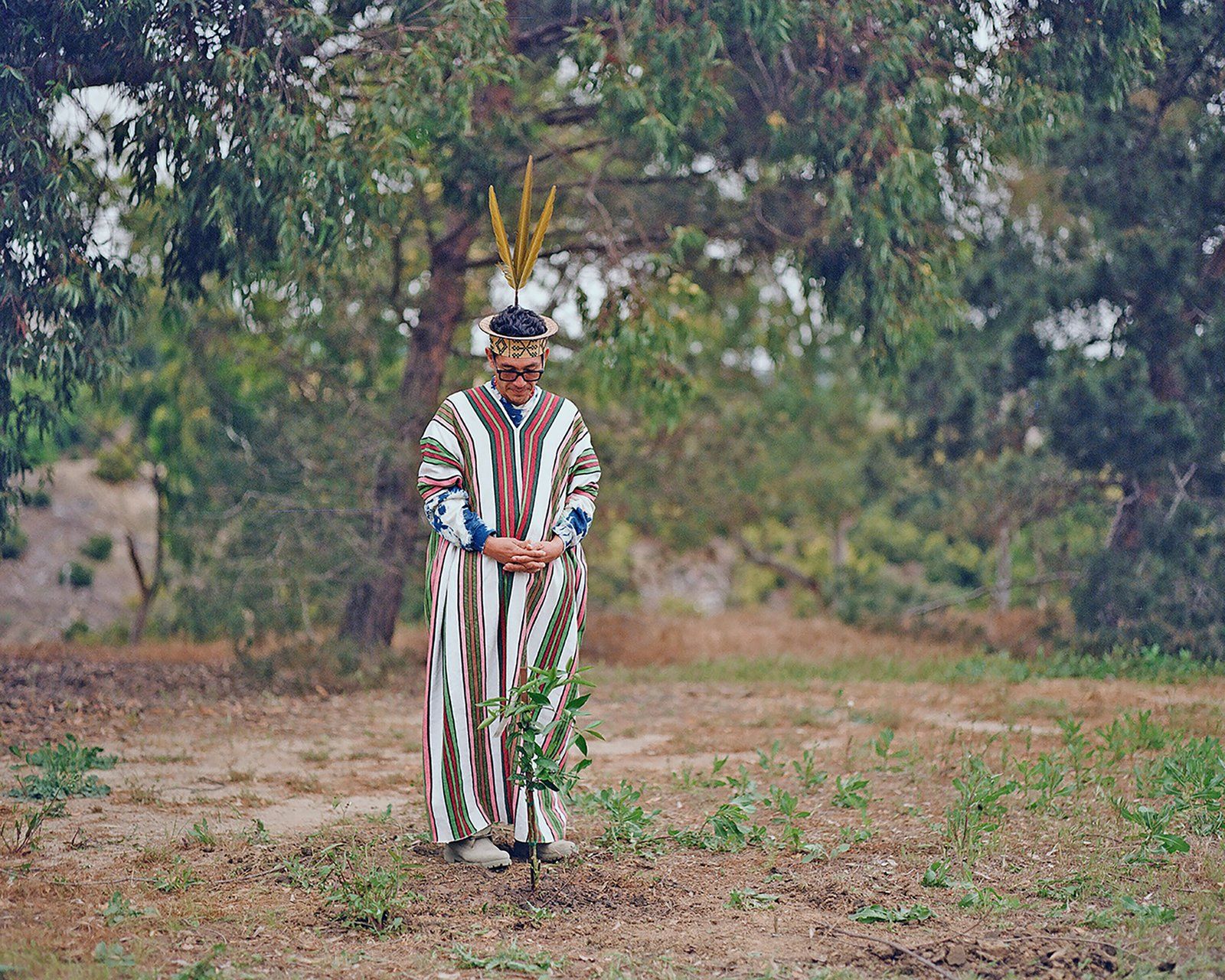
Benki Piyãko
Ashaninka political and spiritual leader, president of Instituto Yorenka Tasorentsi
He learned from his grandfather, a shaman, and began reforesting as a young man. He founded Instituto Yorenka Tasorentsi in 2018. He received the Weimar Human Rights Award (2013), the Chirac Foundation Culture for Peace Prize (2020) and the 43rd Niwano Peace Prize (2026). His community received the UNDP Equator Prize in 2017.
“To heal the world through the traditional knowledge.”
Benki Piyãko · Instituto Yorenka Tasorentsi, página de Benki Piyãko
- Land recovery research, led by Benki Piyãko
- Planting new seeds in the restoration project
- Forest and water preservation projects
- The Center for Regenerative Education
Photo: Instituto Yorenka Tasorentsi Benki Piyãko beside a newly planted seedling.
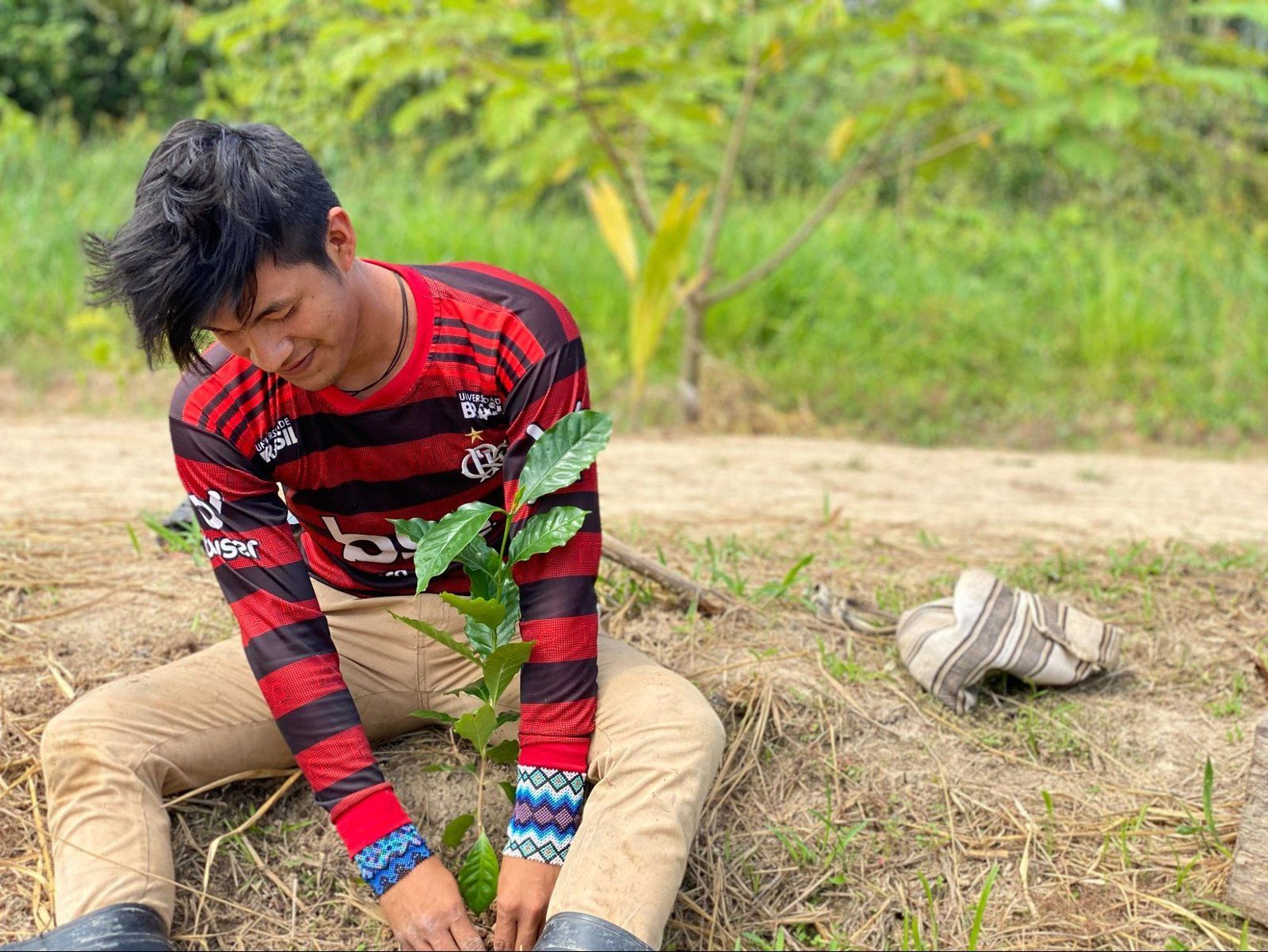
Photo: Instituto Yorenka Tasorentsi Every seedling goes into the ground by someone's hand.
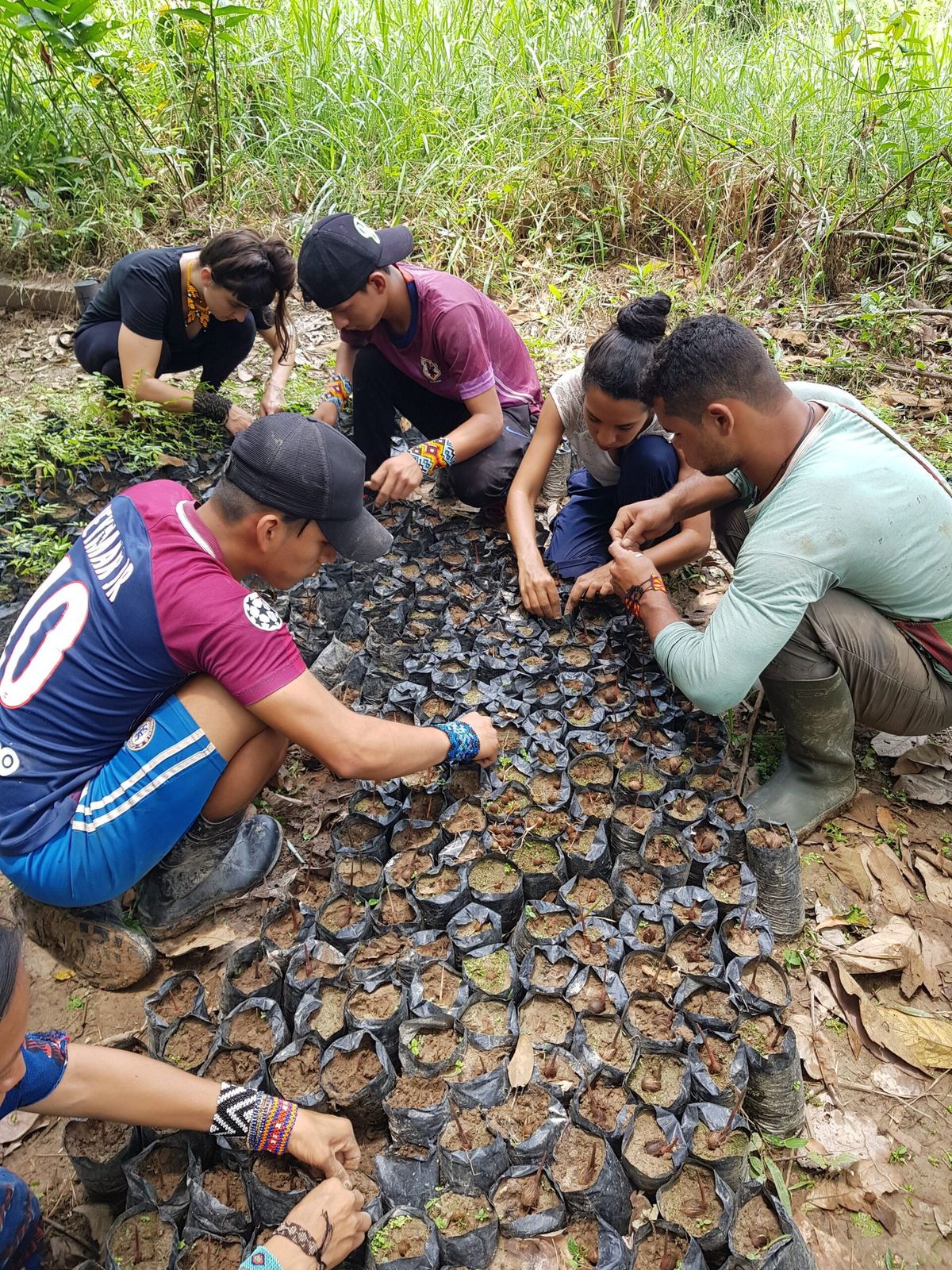
Photo: Instituto Yorenka Tasorentsi Planting together at the nursery.
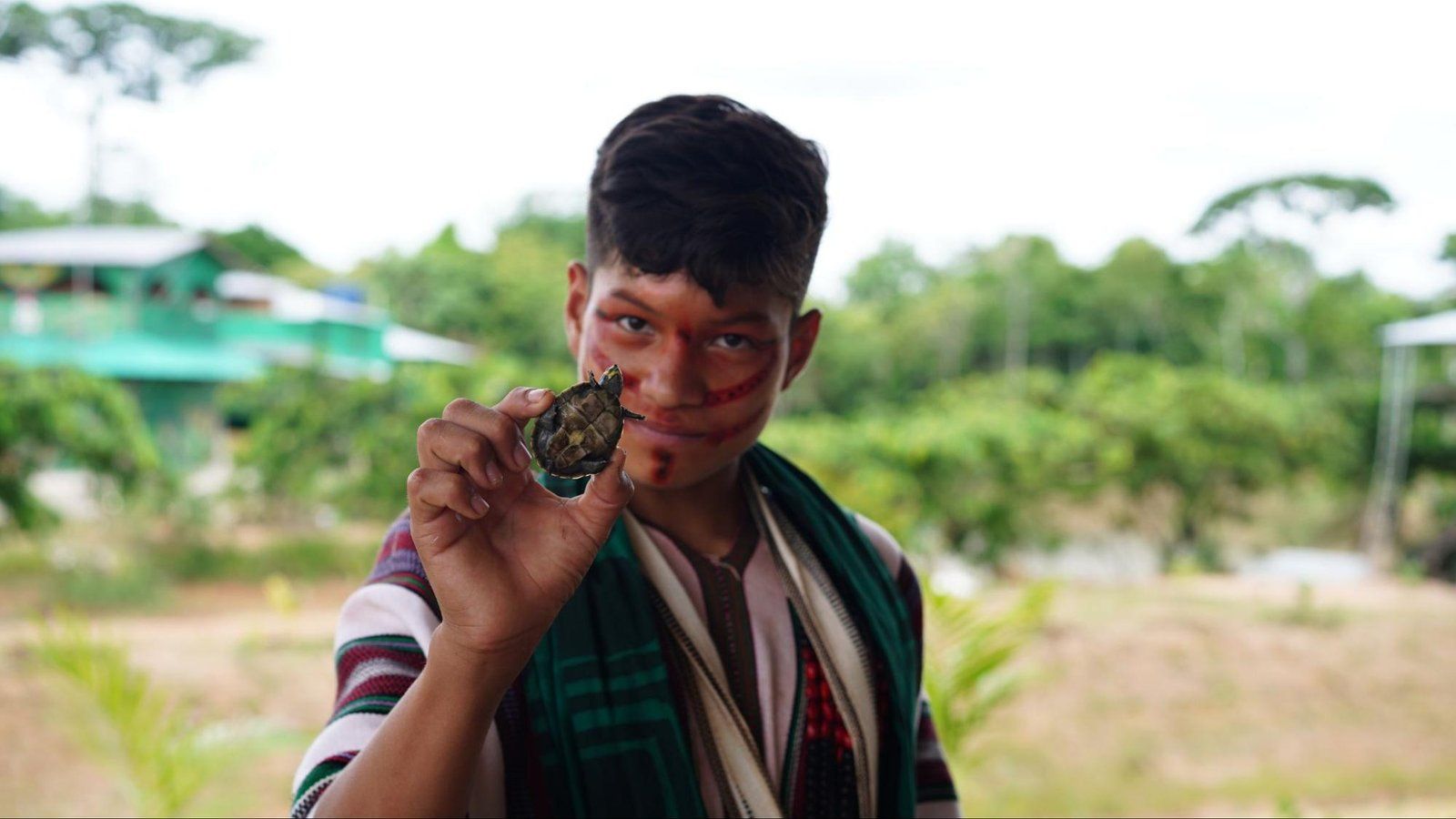
Photo: Stella Ismene / Instituto Yorenka Tasorentsi A baby river turtle before going back to the river.
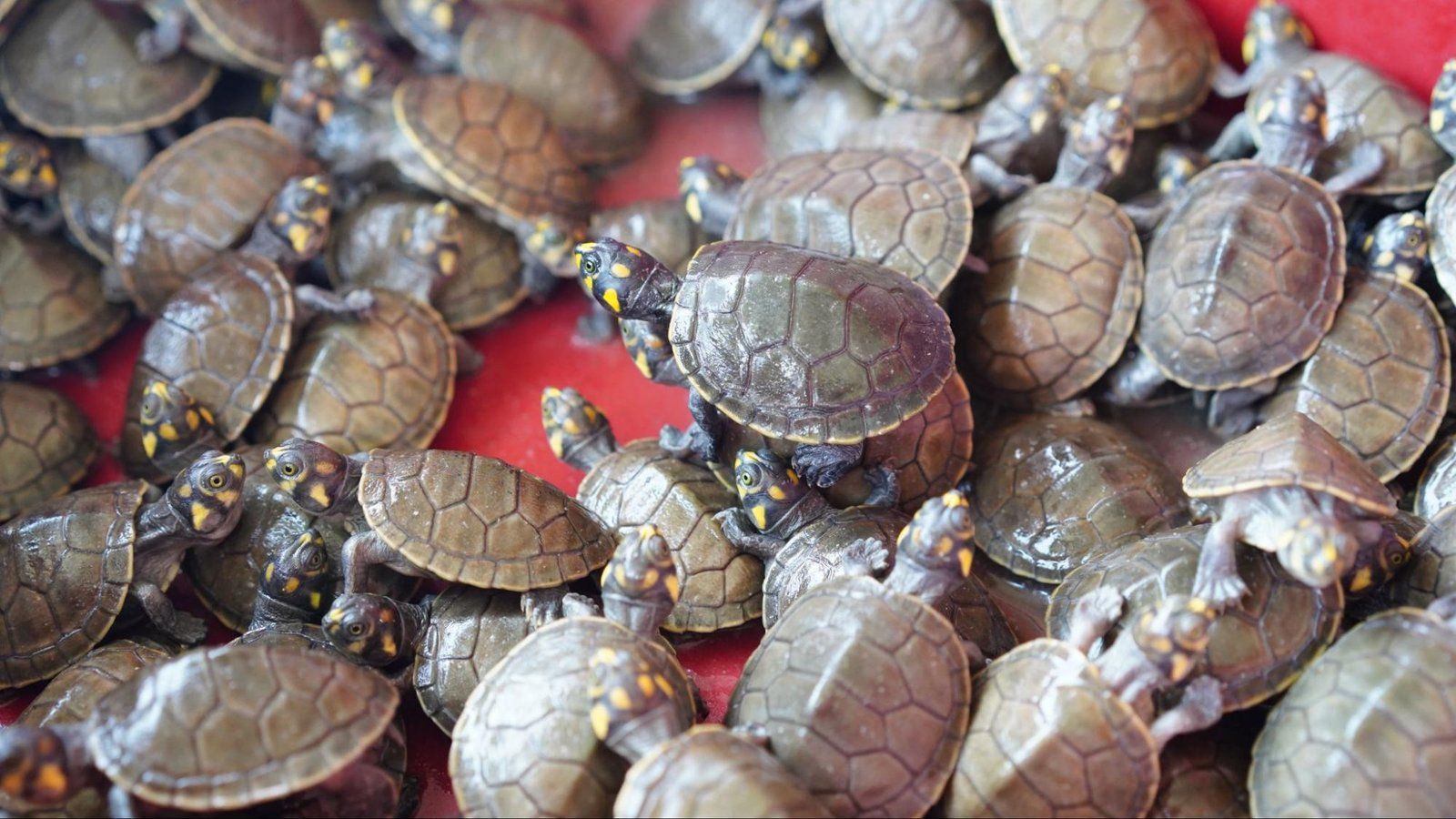
Photo: Instituto Yorenka Tasorentsi Hatchlings ready for release.
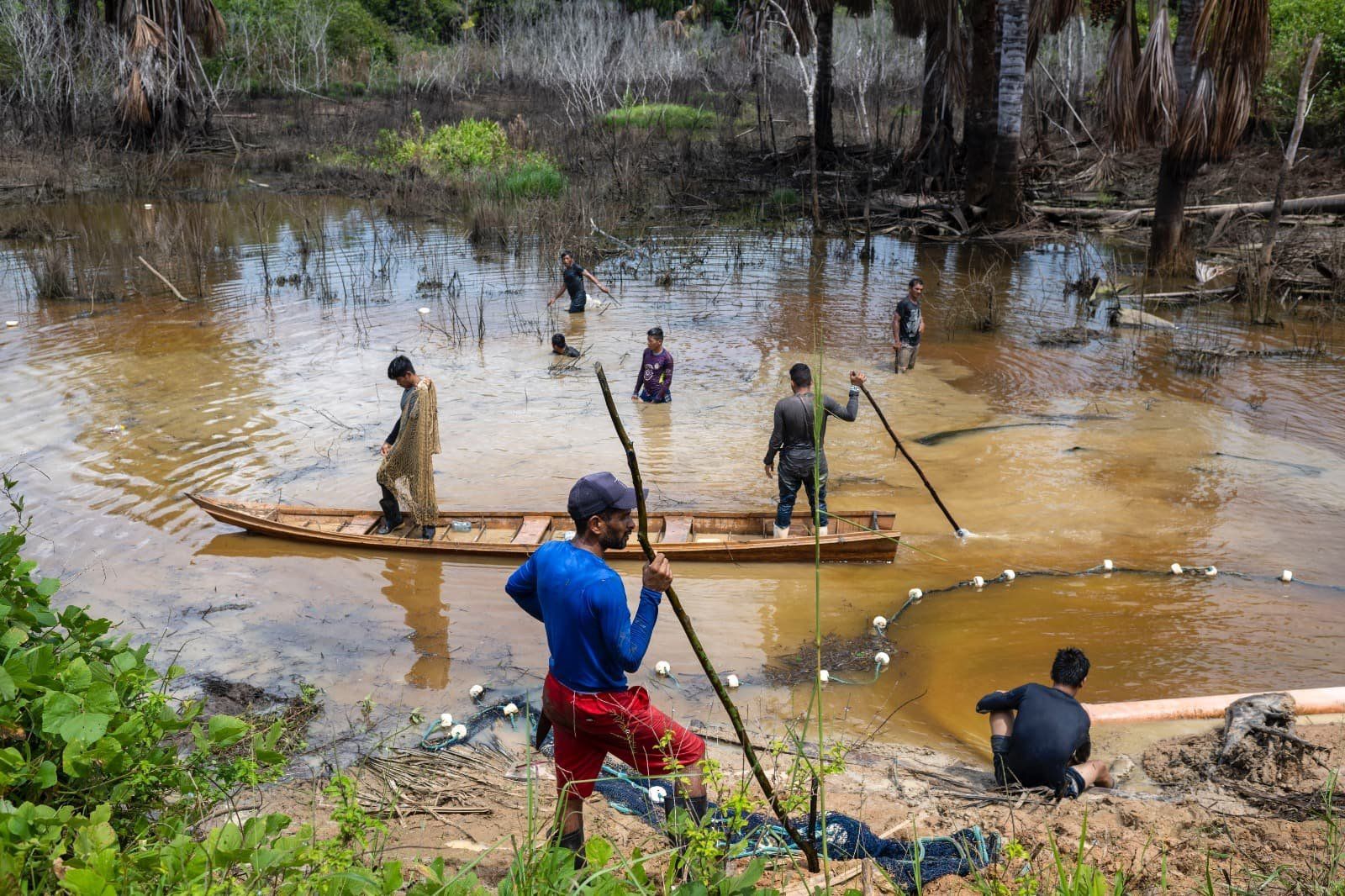
Photo: Instituto Yorenka Tasorentsi Harvesting the fish pond: food for the region.
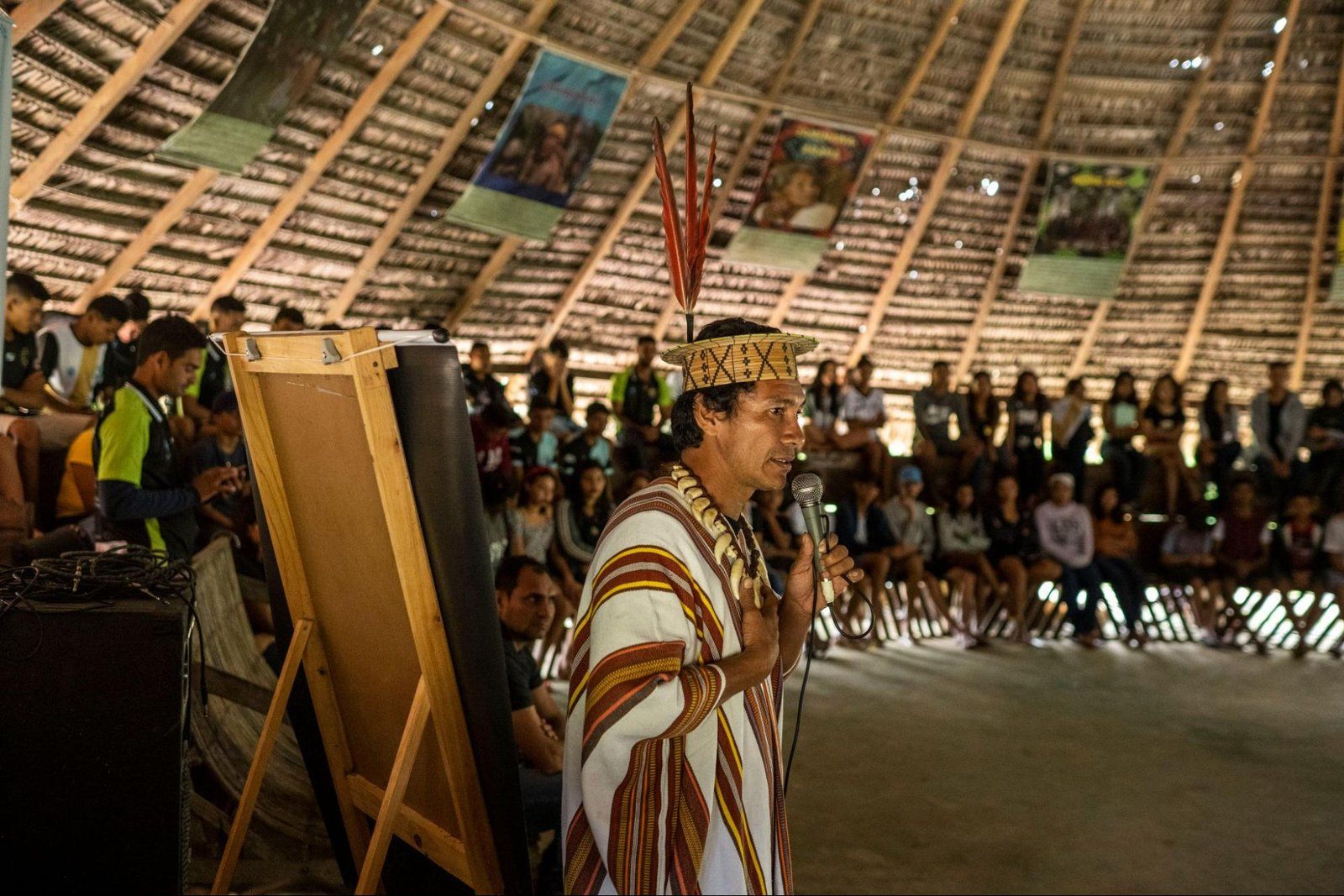
Photo: Instituto Yorenka Tasorentsi Benki speaks to young people in the longhouse.
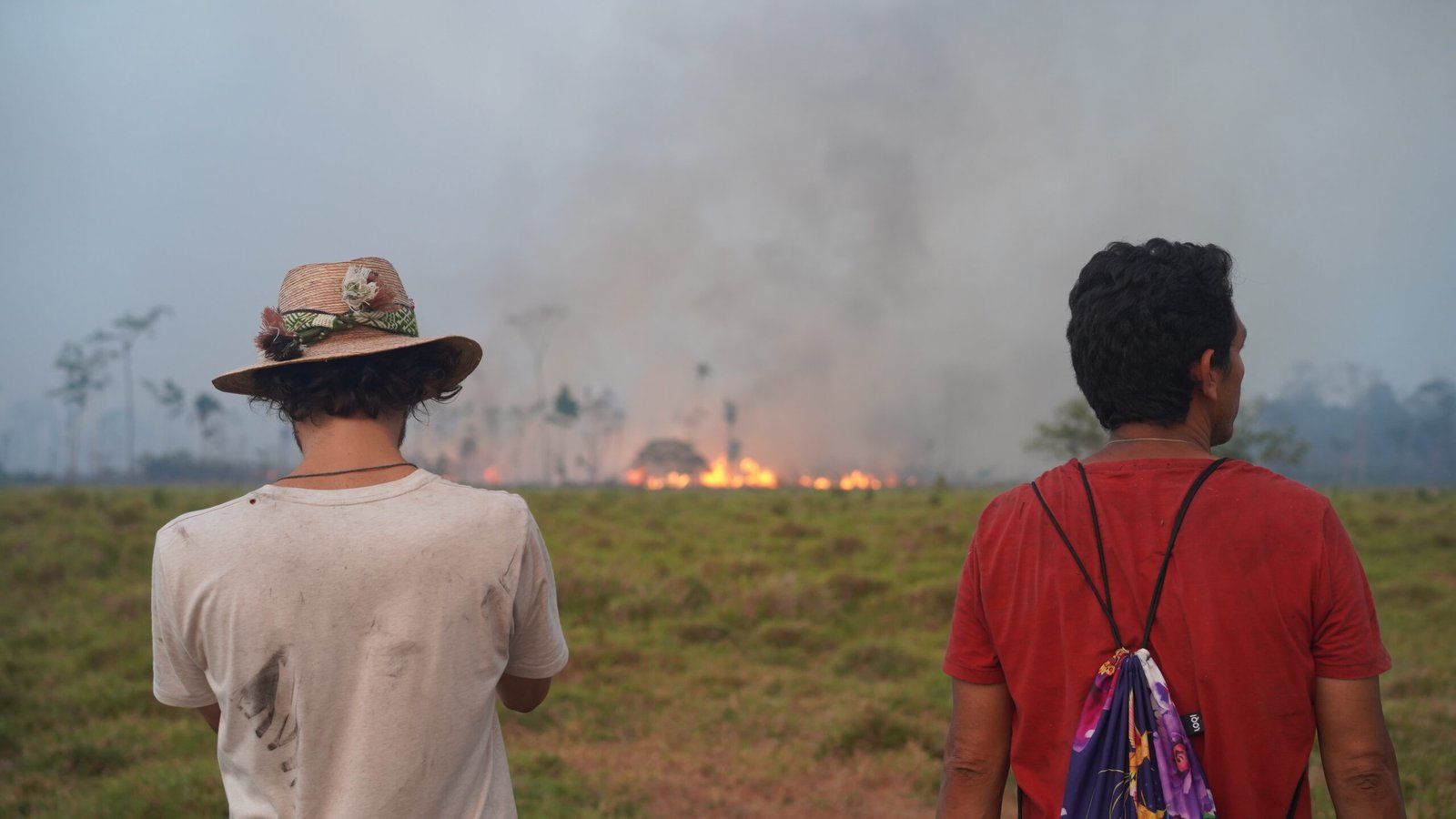
Photo: Stella Ismene or Tommaso Marzotto / Instituto Yorenka Tasorentsi The 2023 fire: 100 hectares of planted forest lost.
Instituto Yorenka Tasorentsi
Social organization
An Indigenous-led organization founded in 2018 by Benki Piyãko in the Upper Juruá, in Acre. It unites traditional Ashaninka knowledge and ecological restoration to reforest degraded areas, protect river basins and preserve Indigenous culture and spirituality. Its work includes reforestation, agroecology, sustainable management, fish farming, turtle care and environmental education.
- Instituto Yorenka Tasorentsi website →
- Instagram @yorenka.tasorentsi →
- YouTube channel →
- Niwano Peace Prize 2026 →
Sources
- Embrapa Cerrados (Aquino et al.), Análise de custos na recomposição em Área de Preservação Permanente no Distrito Federal (plantio de novembro de 2022)
- Fundo Social Pi, site oficial (lido em 18/11/2026)
- Instituto Yorenka Tasorentsi, página inicial em português
- Instituto Yorenka Tasorentsi, página do fundador
- Instituto Yorenka Tasorentsi, página de Benki Piyãko
- Instituto Yorenka Tasorentsi, reintrodução de tracajás (20/10/2023)
- Instituto Yorenka Tasorentsi, resposta aos incêndios (20/09/2023)
- Niwano Peace Foundation, 43º Prêmio Niwano da Paz
- Niwano Peace Foundation, comunicado do 43º prêmio (10/03/2026)
- Niwano Peace Foundation, motivos do 43º prêmio (2026)